


7 Steps to Remove Mould From Clothes
Mould Remover Guide: How to Remove Mould From Clothes, Fabric and the Home (Properly)
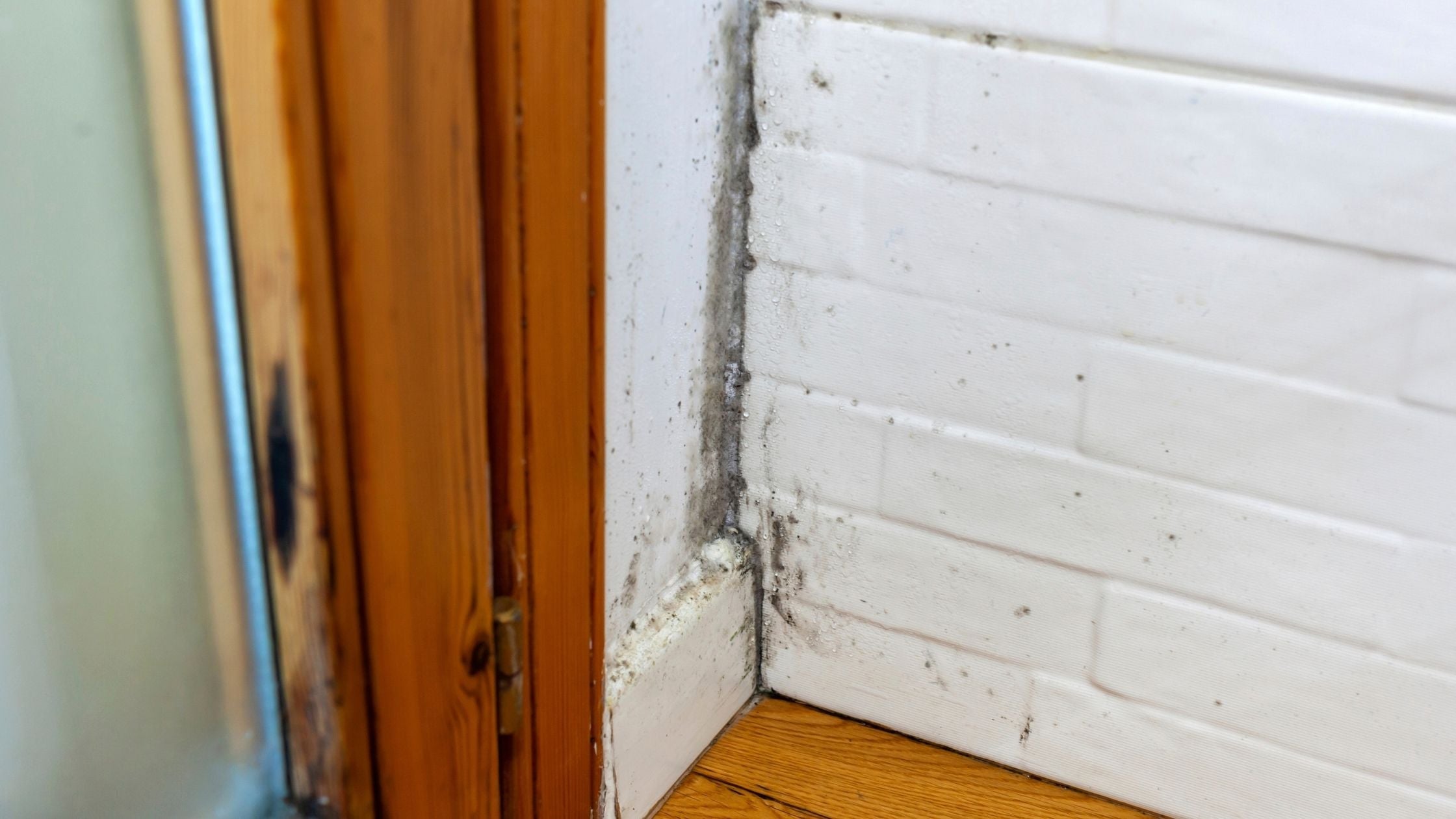
Mould is one of the most common cleaning problems in Australian homes. Warm weather, humidity, wet winters and poor airflow create the perfect environment for mould spores to grow, especially on clothes, fabric, wardrobes and storage areas.
The good news is that mould doesn’t automatically mean your clothes or linen need to be thrown away. With the right mould remover, correct technique and a bit of patience, many mould-affected items can be safely restored.
This guide explains how mould forms, why it keeps coming back, and how to remove mould from clothes and fabric using a bleach-free approach that’s safer for families, apartments and everyday living.
Why Mould Is So Common in Australian Homes
Mould thrives in dark, damp and poorly ventilated environments. In Australia, that combination is extremely common due to:
- Humid coastal climates
- Wet summers and rainy seasons
- Cool winters with limited ventilation
- Apartment living with shared walls
- Wardrobes, cupboards and storage areas with little airflow
According to CSIRO, indoor mould growth is strongly linked to moisture levels, ventilation and building design rather than cleanliness alone.
This means even clean homes can develop mould problems if moisture isn’t managed properly.
Why Clothes and Fabric Go Mouldy
Clothes and fabric are especially vulnerable to mould because they absorb moisture and organic material, which mould feeds on.
Common causes include:
- Storing clothes while slightly damp
- Leaving laundry in the washing machine too long
- Packing clothes tightly in boxes or plastic tubs
- Wardrobes against cold external walls
- Leaking plumbing or condensation
- Poor airflow in cupboards and closets
Once mould spores settle into fabric, they can spread quickly and cause staining, odour and fabric damage if left untreated.
Does Mould Mean Clothes Are Ruined?
No. Despite popular belief, mouldy clothes are not always beyond saving.
Many fabrics can be successfully cleaned if:
- The mould hasn’t deeply damaged the fibres
- The item is treated promptly
- The right mould remover is used
Throwing away otherwise good clothes because of surface mould is expensive and unnecessary in many cases.
Why Bleach Isn’t Always the Best Mould Remover for Clothes
Bleach is often suggested as a mould remover, but it comes with limitations.
Problems with bleach on fabric include:
- It weakens fibres over time
- It can permanently discolour clothes
- It doesn’t always penetrate deeply into fabric
- It releases strong fumes, especially indoors
Health guidance from Healthdirect Australia notes that bleach fumes can irritate airways and skin, particularly in enclosed spaces.
For clothing, a bleach-free mould remover is often a safer and more effective choice.
A Gentler Approach: Bleach-Free Mould Removal
Bleach-free mould removers are designed to target mould without damaging fabric or overwhelming indoor air quality.
They’re especially useful for:
- Coloured clothing
- Delicate fabrics
- Linen and towels
- Family and apartment living
This is why many households and professional cleaners now prefer non-bleach solutions for fabric mould removal.
Introducing Mould Master (Bleach-Free)
At Bushby, we manufacture Mould Master – Gentle Mould Remover for All Surfaces onsite in Australia after listening to customers who wanted:
- A mould remover that actually works
- No bleach smell
- Something safer for clothes and fabric
- A product suitable for repeated use
Mould Master is bleach-free, making it suitable for removing mould from clothes, fabric and many household surfaces when used correctly.

7. How to Remove Mould From Clothes (Step by Step)
Before starting, always check the care label on the garment.
Step 1: Take the item outside
Shake or brush off loose surface mould outdoors to avoid spreading spores inside.
Step 2: Apply Mould Master
Apply Mould Master directly to the mould-affected area. Ensure the fabric is evenly damp but not dripping.
Step 3: Allow dwell time
Let the product sit. This is important. Mould Master is bleach-free and works more gently, so patience matters.
Step 4: Gently agitate
Use a soft brush or cloth to gently work the product into the fabric.
Step 5: Wash as normal
Wash the item according to the care label using your usual detergent.
Step 6: Dry thoroughly
Sunlight is ideal. Drying items completely helps neutralise remaining spores and odour.
You can also watch our short video showing how to remove mould from clothes using Mould Master.
8. Why Sunlight Helps After Mould Removal
Sunlight plays an important role in mould prevention because:
- UV light helps inhibit mould growth
- Heat reduces residual moisture
- Fresh air reduces musty odours
Even one to two hours in direct sunlight after washing can make a noticeable difference.
9. Why Mould Often Comes Back
If mould keeps returning, the issue usually isn’t the cleaner. It’s the environment.
Recurring mould often points to:
- Ongoing moisture
- Poor ventilation
- Hidden leaks
- Cold wall surfaces
- Storage habits
Removing mould without addressing moisture is like mopping a floor while the tap is still running.
10. Preventing Mould in Wardrobes and Closets
To reduce mould returning to clothes and linen:
- Only store clean, fully dry items
- Increase airflow in wardrobes
- Leave sliding doors slightly open when possible
- Avoid overpacking cupboards
- Use moisture absorbers if needed
According to Australian Institute of Health and Welfare, managing indoor moisture is one of the most effective ways to reduce mould risk.

11. Why Plastic Storage Can Make Mould Worse
Plastic storage containers trap humidity. Even small amounts of moisture inside a sealed box can create ideal mould conditions.
Better options include:
- Breathable fabric storage
- Shelving with airflow
- Open or ventilated storage systems
12. Apartments and Shared Walls: Extra Considerations
Apartment living can increase mould risk due to:
- Shared plumbing
- Cold external walls
- Limited ventilation
- Air conditioning condensation
If mould appears repeatedly in wardrobes or behind furniture, it may indicate a broader building moisture issue.
13. When Mould in Clothes Signals a Bigger Problem
Mould in clothing can sometimes be an early warning sign of:
- Ceiling or wall mould
- Leaking plumbing
- Poor building ventilation
If mould appears frequently across multiple items, it’s worth investigating the home itself, not just the clothes.
14. Eco-Friendly Mould Removal Without Compromise
There’s a myth that eco-friendly or low-tox products don’t work. In reality, effectiveness comes from formulation, not harshness.
Guidance from Sustainability Victoria supports using targeted, lower-tox solutions where possible to reduce environmental impact without sacrificing results.
Mould Master was designed to be effective without relying on bleach.
15. Why We Make Our Products Onsite
All Bushby products are manufactured onsite in Australia. That allows us to:
- Control quality and ingredients
- Improve formulas based on customer feedback
- Respond to real mould problems people face
Mould Master exists because customers told us they wanted something gentler that still worked.
16. Using Mould Master on Other Household Surfaces
In addition to clothes, Mould Master can be used on:
- Curtains and fabric blinds
- Bathroom grout and silicone
- Walls and ceilings (where appropriate)
- Outdoor furniture fabric
Always test on an inconspicuous area first.
17. Simple Habits That Reduce Mould Long Term
- Hang laundry out promptly
- Ventilate bathrooms and laundries
- Avoid drying clothes indoors without airflow
- Wipe condensation from windows
- Keep furniture slightly away from walls
Small habits make a big difference over time.
18. When to Avoid DIY Mould Removal
If mould covers large areas, appears inside walls, or is linked to structural damage, professional assessment may be required.
Household mould removers are designed for surface mould, not major building issues.
19. Why Smell Is Not the Best Indicator of Clean
Strong chemical smells don’t equal effectiveness. Often they’re simply masking odour rather than addressing the cause.
A properly cleaned item should smell neutral, not chemical.
20. A Smarter Way to Deal With Mould
Mould is frustrating, but it doesn’t need to mean lost clothes or harsh chemicals.
By using a bleach-free mould remover, addressing moisture and adopting better storage habits, many mould problems can be resolved safely and effectively.

21. Who This Approach Is Best For
- Families with children
- Apartment dwellers
- People sensitive to fumes
- Anyone wanting effective, lower-tox mould removal
22. Mould Removal That Works With Everyday Living
Mould Master is designed to work in real homes, not just ideal conditions. It supports effective mould removal without the downsides of bleach-heavy products.
You can learn more about it here:
https://bushbycleaning.com.au/products/mould-master-gentle-mould-remover-for-all-surfaces
23. Final Thoughts: Removing Mould Without Replacing Everything
Mould doesn’t mean your clothes are finished. With the right mould remover, correct technique and a focus on prevention, many items can be safely restored.
Cleaning smarter, not harsher, is often the best solution.



%0AMould%20is%20one%20of%20the%20most%20common%20cleaning%20problems%20in%20Australian%20homes.%20Warm%20weather,%20humidity,%20wet%20winters%20and%20...)
Leave a comment
This site is protected by hCaptcha and the hCaptcha Privacy Policy and Terms of Service apply.